
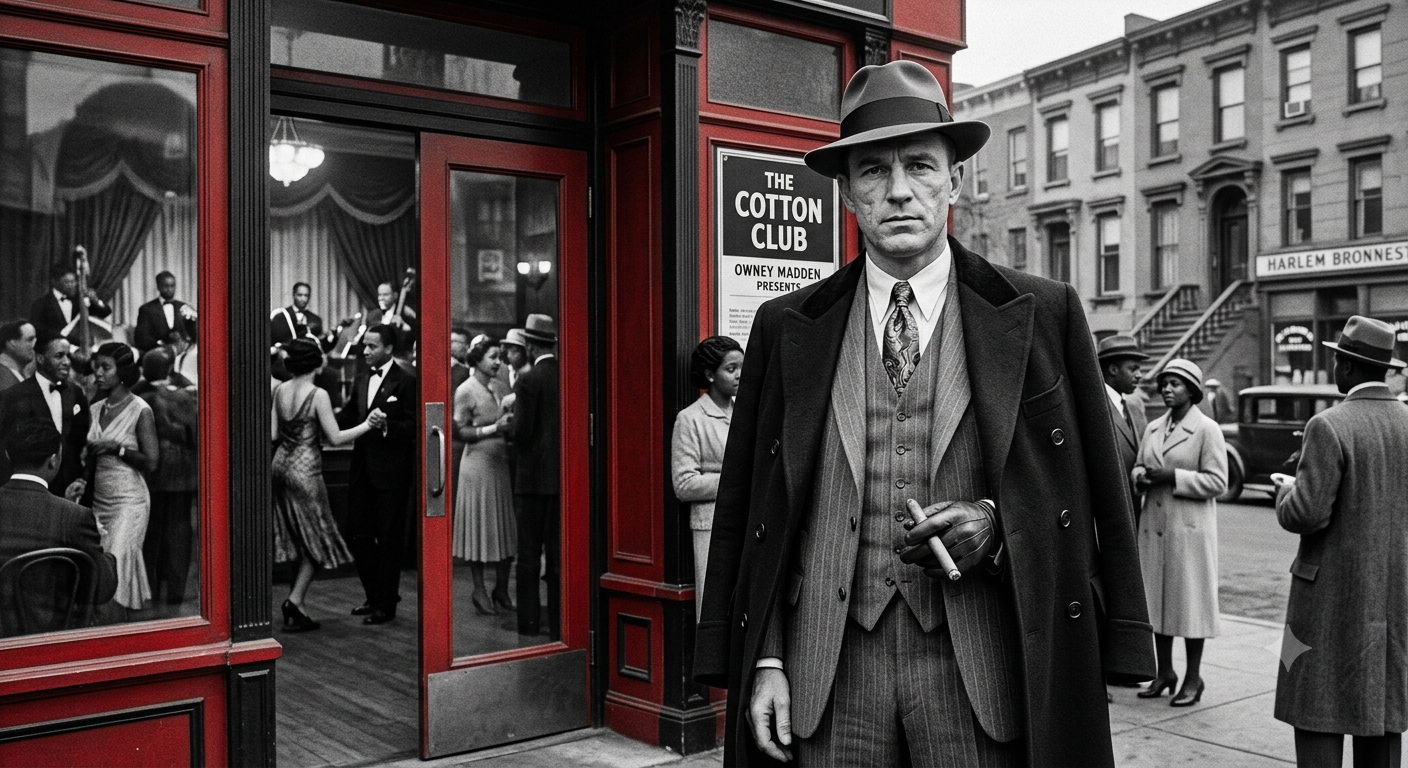
Owney Madden was one of the most influential and feared figures of the American Prohibition era. Known by the nickname “Owney the Killer,” he rose from the violent streets of New York City to become a powerful organized crime figure, nightclub owner, and businessman. His life combined gang violence, illegal alcohol operations, entertainment connections, and political influence, making him one of the most fascinating figures in American criminal history.
Early Life of Owney Madden
Owen Vincent Madden was born on December 18, 1891, in Leeds, England. His family later moved to New York City, where he grew up in the tough Hell’s Kitchen neighborhood of Manhattan. During the early 1900s, the area was known for street gangs and organized crime groups.
As a teenager, Madden became involved with street gangs and eventually became the leader of the Gopher Gang, one of New York’s notorious Irish-American gangs. His reputation for violence earned him the nickname “The Killer.”
Rise of the Gopher Gang Leader
Madden built his influence through intimidation, street connections, and control over criminal activities in Manhattan. The Gopher Gang operated in areas where illegal gambling, protection schemes, and other underground businesses were common.
His violent reputation helped him gain power, but it also brought attention from law enforcement. In 1915, Madden was convicted for his involvement in the killing of William “Little Patsy” Doyle and spent several years in prison.
After his release in 1923, Madden entered a changing criminal world where Prohibition created new opportunities for organized crime groups.
Owney Madden During Prohibition
The Prohibition era transformed Madden from a street gang leader into a major organized crime figure. During the 1920s, illegal alcohol businesses generated huge profits, and Madden became involved in bootlegging operations.
He worked with other powerful criminals and became connected with influential figures in the underworld. His ability to build alliances helped him maintain power during one of the most competitive periods in American organized crime history.
Unlike some gangsters who disappeared after their criminal careers, Madden successfully moved into legitimate-looking businesses while maintaining his influence.
The Cotton Club Connection
One of Owney Madden’s most famous associations was with the Cotton Club, a legendary nightclub in Harlem, New York. While Madden was incarcerated, the club was reportedly operated under his control through associates.
The Cotton Club became one of the most famous entertainment venues of the era, featuring performances from major musicians and entertainers. Madden’s connection to the club showed how organized crime figures often invested in businesses that provided both money and social influence.
Conflict, Power, and Decline
As organized crime changed in New York, Italian-American Mafia groups became increasingly powerful. Law enforcement pressure also increased, making it harder for older gang leaders like Madden to maintain control.
In 1935, Madden left New York and moved to Hot Springs, Arkansas. There, he became involved in local businesses and gambling activities while living a quieter life compared with his earlier years.
Later Years and Death
After leaving New York, Madden remained connected to the criminal underworld but avoided the level of violence that defined his early career. He became a well-known figure in Hot Springs and continued to have relationships with people from entertainment and organized crime circles.
Owney Madden died on April 24, 1965, in Hot Springs, Arkansas, at the age of 73. His death marked the end of the life of one of the last major figures from the early Irish-American gangster era.
Legacy of Owney Madden
The story of Owney Madden continues to attract interest because he represented a transition period in American organized crime. He started as a street gang leader, became a Prohibition-era power figure, and later transformed into a businessman with connections to entertainment and politics.
His nickname “The Killer” reflected his violent past, while his ownership connections and social influence showed another side of organized crime during the early 20th century.
Owney Madden remains a significant name in true crime history, representing the rise and transformation of American gang culture during one of the country’s most infamous eras.
External References:
- FBI Historical Resources: https://www.fbi.gov
- Encyclopedia of Arkansas: https://encyclopediaofarkansas.net
- The New York Times Archives: https://www.nytimes.com/archives/
- Research NYC History: https://researchnychistory.wordpress.com