
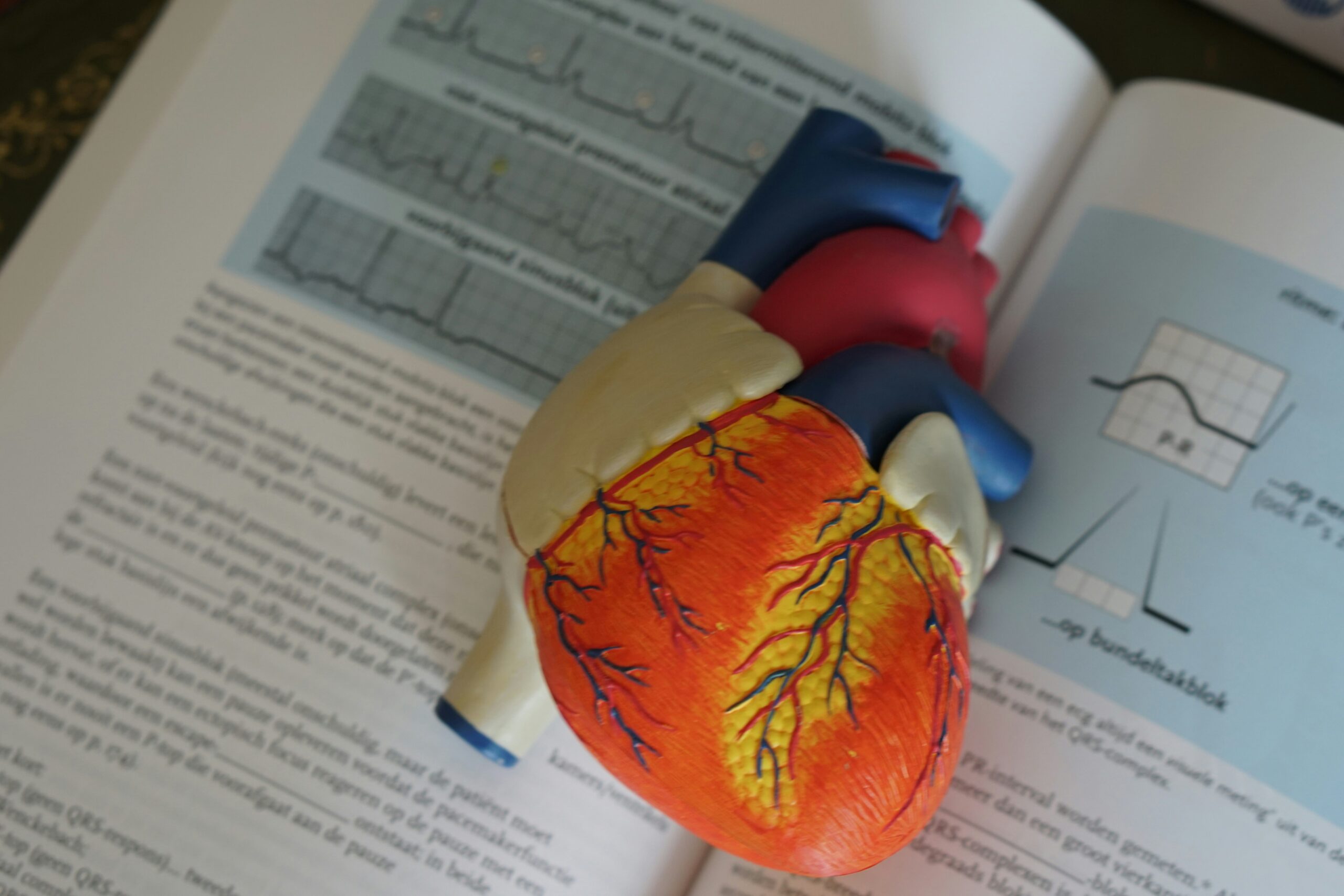
Cardiovascular diseases have stealthily risen to become one of the health issues of the contemporary era. Among these the heart attack, clinically called infarction now impacting individuals of all ages, including many who seem outwardly healthy. Previously viewed as an ailment of the elderly, it is now frequently observed in adults, office workers and even sportspeople. So what has caused heart attacks to become so prevalent nowadays? The answer lies in a mix of lifestyle changes, environmental factors, and silent health conditions that often go unnoticed.
Understanding a Heart Attack
A heart attack, or Myocardial infarction, occurs when blood flow to a part of the heart muscle is blocked, usually due to a buildup of fatty deposits called plaque in the coronary arteries. When this plaque ruptures, a blood clot forms and cuts off oxygen supply to the heart muscle. Without quick medical intervention, this can cause permanent damage or even death.
Heart attacks are a major part of Cardiovascular diseases (CVDs), a broad category that includes conditions affecting the heart and blood vessels such as coronary artery disease, hypertension, and stroke. CVDs are now the leading cause of death globally.
Sedentary Lifestyle: The Biggest Modern Trigger
A leading cause of the occurrence of heart attacks nowadays is a lack of physical exercise. Contemporary lifestyles have turned movement into a choice rather than a necessity. Extended periods spent sitting at desks, screen time and dependence on cars have significantly lowered the amount of everyday physical activity.
Lack of exercise leads to weight gain, poor circulation, high blood pressure, and increased cholesterol levels, all major risk factors for heart disease. Even people who exercise occasionally but remain sedentary for most of the day are at increased risk of developing heart problems.
Unhealthy Diet and Processed Foods
Diet plays a crucial role in heart health. Today’s food environment is dominated by ultra-processed foods loaded with trans fats, refined sugars, excess salt, and artificial additives. Fast food, sugary beverages, packaged snacks, and deep-fried items have become daily staples rather than occasional treats.
These foods contribute to obesity, diabetes, and high cholesterol, which significantly increase the risk of Myocardial infarction. Excessive salt intake raises blood pressure, while trans fats increase “bad” LDL cholesterol, leading to plaque buildup in arteries.
Chronic Stress and Mental Health Pressure
Stress is another silent but powerful contributor. Constant work pressure, financial worries, social expectations, and lack of proper rest keep the body in a prolonged “fight or flight” mode. This leads to elevated cortisol levels, increased heart rate, and higher blood pressure.
Over time, chronic stress damages blood vessels and increases the risk of blood clots. Many people ignore stress as a health issue, but it is closely linked to Cardiovascular diseases (CVDs) and sudden heart events.
Smoking, Alcohol, and Substance Use
Although knowledge about its dangers is common, smoking continues to be a contributor to heart attacks. Tobacco harms the blood vessel walls, lowers oxygen levels in the bloodstream and promotes clot development. Exposure, to secondhand smoke also elevates the chance of a heart attack.
Excessive alcohol consumption can also weaken the heart muscle, increase blood pressure, and trigger irregular heart rhythms. In recent years, the use of recreational drugs and stimulants has further increased heart attack cases among younger individuals.
Rising Diabetes and High Blood Pressure
Diabetes and hypertension are often called “silent killers” because they develop gradually without obvious symptoms. Poor blood sugar control damages blood vessels and accelerates plaque formation. High blood pressure forces the heart to work harder, leading to thickened heart muscles and reduced efficiency.
When these conditions coexist, the risk of a heart attrack rises dramatically. Unfortunately, many people remain undiagnosed or poorly managed due to irregular health checkups.
Ignoring Early Warning Signs
Another reason heart attacks are so common today is delayed medical attention. Many people fail to recognize the Symptoms of a heart attack, especially when they are mild or atypical.
Common symptoms include:
- Chest pain or pressure
- Pain radiating to the left arm, jaw, or back
- Shortness of breath
- Cold sweats
- Nausea or dizziness
- Extreme fatigue
In women and younger individuals, symptoms may be subtle, such as indigestion-like discomfort or unusual tiredness. Ignoring these signs can turn a manageable condition into a life-threatening emergency.
Environmental and Lifestyle Changes
Air contamination, disrupted sleep routines, inconsistent work schedules and much screen exposure also contribute. Research indicates that prolonged contact with air leads to inflammation, in blood vessels, which elevates the likelihood of heart attacks.
Sleep deprivation disrupts metabolism, increases blood pressure, and affects heart rhythm. Combined with unhealthy habits, these factors create the perfect conditions for heart disease.
Can Heart Attacks Be Prevented?
The good news is that most heart attacks are preventable. Small but consistent lifestyle changes can significantly reduce risk:
- Regular physical activity (at least 30 minutes a day)
- Balanced diet rich in fruits, vegetables, whole grains, and healthy fats
- Managing stress through meditation, hobbies, or therapy
- Quitting smoking and limiting alcohol
- Regular health checkups to monitor blood pressure, sugar, and cholesterol
Conclusion
Heart attacks are not sudden events; they are the result of years of neglect, unhealthy habits, and ignored warning signs. The growing burden of Cardiovascular diseases (CVDs) reflects how modern lifestyles have drifted away from natural balance. Understanding the causes, recognizing the Symptoms of a heart attack, and making conscious health choices can save lives.
If you want to read more health-related facts, prevention tips, and awareness content, exploring reliable wellness knowledge can be the first step toward a healthier heart and a longer life.
Leave a Reply