
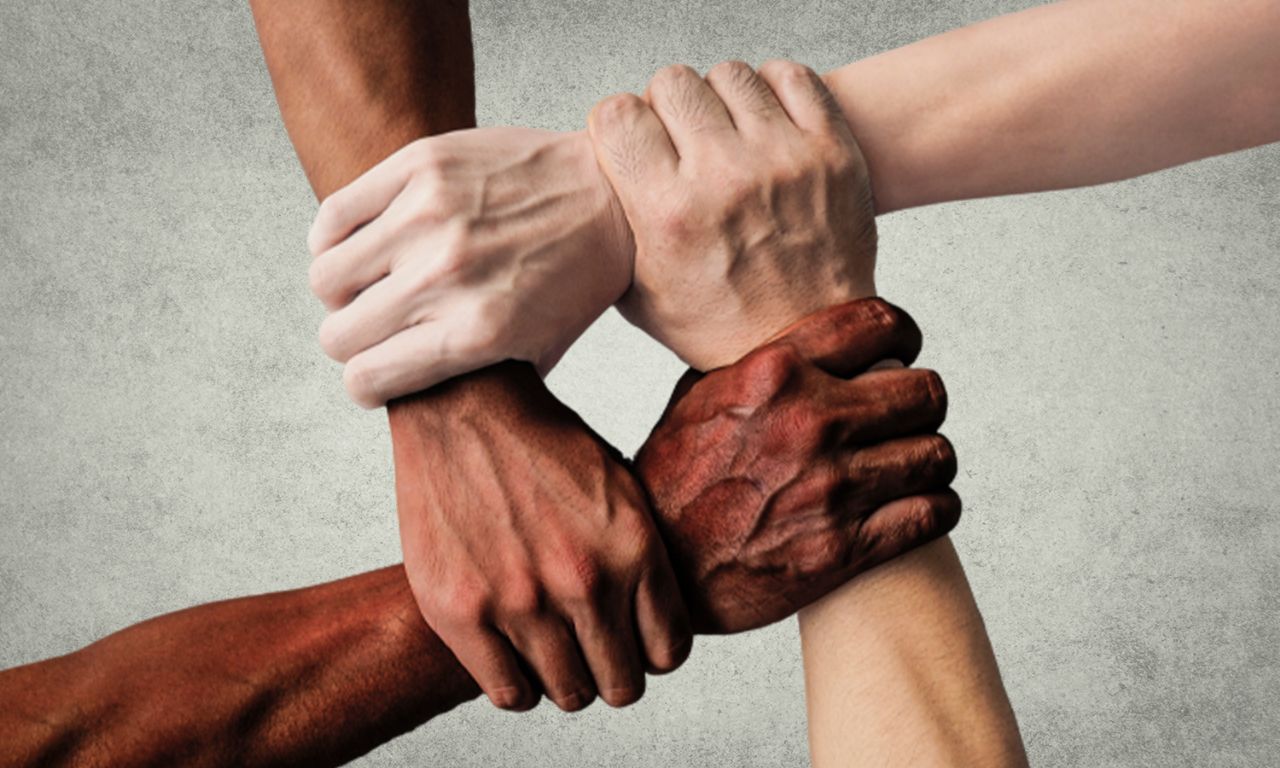
Racism is often discussed as if it only affects one community, but the truth is far more complex. Whether it’s African immigrants facing discrimination in India or brown immigrants being stereotyped in the USA and Canada, racism shapes daily life for millions. Many still ask questions like “is racism only for black people?” or “do Indian people like black people?” and these questions show how global, layered, and misunderstood the issue remains.
Black and brown immigrants commonly face both visible and invisible barriers. From body shaming based on skin tone to the mocking of Nepali, Chinese, or Korean people because of their eyes, the world continues to judge minorities on their appearance. In the USA, systemic racism in killing African Americans has been openly documented in books and research for decades, while in Asia, questions like “is there racism in South Korea?” or “are Chinese racist?” aren’t asked without reason.
This blog explores the harsh reality across countries India, USA, Canada, South Korea, China, Pakistan, UK, and more showing how racism affects black, brown, and even white minorities in certain regions.
Racism Is a Global Issue : Not Limited to One Color
Racism doesn’t belong to just one nation or one skin tone. In India, racism against Africans and Northeast Indians remains a serious but under-discussed issue. In the USA and UK, brown immigrants especially Sikhs, Muslims, and South Asians face stereotypes, suspicion, and workplace discrimination. Meanwhile, in China and South Korea, African and Indian immigrants often struggle with cultural prejudice.
Many Africans living in India have shared experiences of being called names, denied services, or targeted by police without reason. Social media often asks “why are Indians racist?” but the issue is deeper than individuals; it’s a structural and social conditioning problem. In the same way, Indian immigrants sometimes face racism in Canada or the USA, African immigrants face racism in India.
Even within India, colorism and caste biases contribute to discriminatory behavior. Many people still act surprised when asked “does racism exist in India?” but the lived experiences of people with darker skin tones say otherwise.
USA and Canada: A Dream for Immigrants, But Not Always Safe for Black and Brown People
For decades, America advertised itself as the land of freedom. But the reality for black immigrants and African Americans remains difficult. Police brutality, racial profiling, and the criminal justice system disproportionately harm Black communities. Questions like “is racism only for black people?” usually come from people who haven’t seen how deep and systemic the issue is.
Meanwhile, brown immigrants especially Indians, Pakistanis, Middle Easterners, and Sikhs face prejudice tied to stereotypes and political narratives. Incidents after 9/11 are still remembered: Sikh men attacked simply because someone “thought they looked Muslim.” Even recently, hate crimes continue rising.
Canada presents a softer face but struggles too. Immigrants often find that co-workers treat them differently because of their accents, food, or skin color. Africans and Indians both report being judged before they even open their mouth.
Racism in South Korea and Japan: Polite Society, Hidden Biases
Many people today search “is there racism in South Korea?” because the country’s image is heavily influenced by K-pop and K-dramas. But Black and Indian migrants share a different story. Darker-skinned individuals face stares, comments, and sometimes exclusion from social groups.
In Japan, Africans and South Asians often report similar challenges. While Japan is known for politeness, racial discrimination in Japan is a real issue especially in housing. Many foreigners struggle to rent apartments because landlords avoid them.
Japan’s society is also dealing with a slow but noticeable rise of Islamophobia. With the fastest-growing religion in Japan being Islam in some areas, the resistance from conservative groups has grown.
China and Racism: A Complicated Story
China’s relationship with foreigners is layered. Many people search “are Chinese racist?”, “black population of China”, or “are Chinese people white?” because the country’s society has been largely homogenous for centuries. This creates cultural distance and misunderstanding.
Africans in China, especially in Guangzhou, have often reported police targeting, temporary detentions, and harsh treatment during health checks (especially during COVID-19). Indian and Nepali workers also experience name-calling and stereotyping. The issue is widespread enough that international organizations have documented racial discrimination in China for decades.
Do white people experience racism in South Africa
Interestingly, racism flips in certain contexts. In South Africa, where apartheid history reversed the social structure, some white people claim they now experience discrimination in jobs or politics. While this debate is highly political, it shows one truth: racism anywhere harms everyone, and no group is immune depending on the environment.
Racism in India: The Silent Problem
Many Indians don’t like to admit it, but racism in India does exist. Questions like “why are Indians racist?” come up often, because Indian society is filled with biases from skin colour obsession to mocking accents and facial features.
Examples include:
- Calling Africans “kallu” or stereotyping them as dangerous
- Discriminating against Northeast Indians due to their “Chinese-looking” eyes
- Making fun of South Indians for their skin tone
- Body shaming Nepalis, Bhutanese, or Sri Lankans
- Treating Muslims differently and linking them with stereotypes
Even within India, people from different states face discrimination. The idea of “fair is better” continues to shape beauty standards, marriage prospects, and job preferences.
Racism in India: Africans, Northeast Indians, and Body Shaming
India’s racism problem is often unspoken. Africans in cities like Delhi, Noida, and Bangalore have reported violence and discrimination. People from the Northeast — Nagaland, Manipur, Mizoram — often get mocked for their eyes and facial features, called “Chinese” or “Nepali” even when they are Indian citizens.
Body shaming is another deeply rooted practice. Dark-skinned individuals, especially women, hear comments that affect their confidence from a young age. Colorism exists in marriages, job opportunities, and even casting in entertainment.
Racism in India doesn’t only affect foreigners it affects Indians too.
Pakistan, UK & Beyond: Stereotypes That Hurt Lives
In Pakistan, darker-skinned individuals often face unfair treatment, and Indians living there, or vice-versa, face stereotypes due to political tensions.
In the UK, racist attacks on Sikhs, Muslims, and Black immigrants continue to rise. British Africans and British Indians speak openly about systemic bias in jobs, policing, and healthcare.
The Bigger Truth: Racism Is Global
People often think racism is “Western.” But Indians mock Black people, Koreans make fun of South Asians, Chinese discriminate against Africans, and Americans stereotype East Asians. Racism is everywhere, a global chain where each group harms another.
Whether it’s:
- Africans mocked in India
- Indians mocked in Canada
- Koreans mocked in the US
- Chinese mocked in Europe
- Muslims stereotyped in the West
- Sikhs targeted after 9/11
- Nepalis and Bhutanese teased for their looks
… the cycle continues.
Conclusion: Racism Everywhere Means We Must Act Everywhere
Across the USA, Canada, India, China, South Korea, Pakistan, Japan, and the UK, racism is a global tragedy, not a local issue. Whether it’s anti-Black racism, colourism among brown communities, stereotyping of Northeast Asians, or discrimination faced by immigrants, the world must recognise this:
we need stronger awareness, empathy, and systems to stop racism, not just conversations. If you want to read more, the Church of Scientology is another topic I’m deeply interested in.
Leave a Reply