
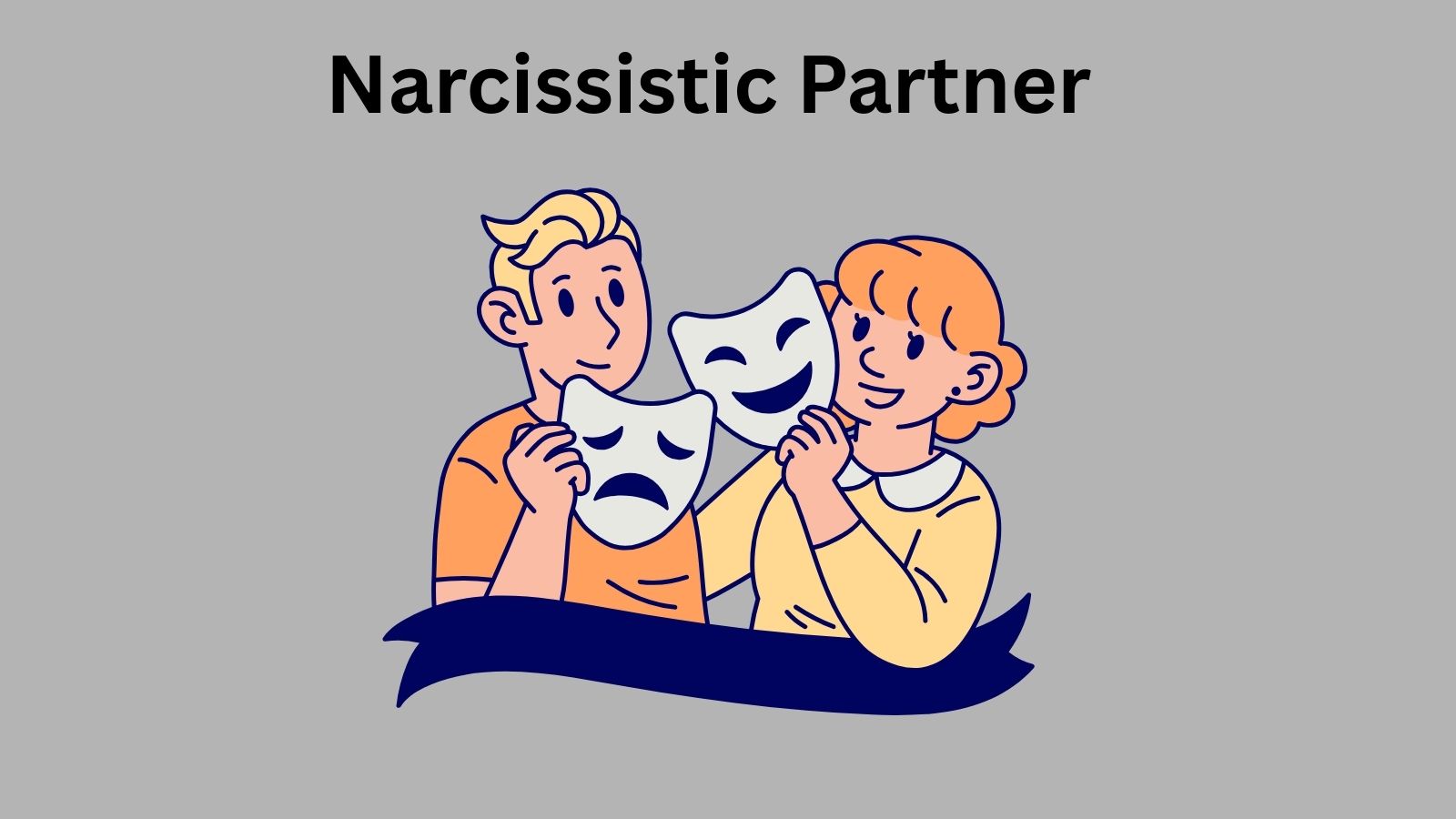
A relationship is one of the most private and sensitive parts of life. It requires understanding, emotional safety, care, and mutual respect. When both partners are emotionally present, love can grow healthily. However, when a relationship involves a narcissistic partner, it often becomes confusing, painful, and emotionally toxic. That does not mean a narcissistic person does not love or never shows affection, but the way love is expressed is very different and often damaging.
Based on personal experience, dealing with a narcissistic partner can feel like living in two opposite realities at the same time.
How Narcissistic Love Looks
A narcissistic partner can show love. They may send flowers, give chocolates, plan good intimacy, or make grand gestures. On the surface, everything may look perfect. These actions can feel comforting and reassuring, especially during emotional moments.
However, this love is often expressed in their own way, not in the way their partner truly needs.
For example, during times of emotional or physical pain, instead of showing empathy, listening, or offering genuine support, a narcissistic partner may offer gifts as a solution. Flowers replace emotional presence. Chocolates replace understanding. These gestures are not meaningless, but they often avoid the real issue of emotional care.
When pain is shared, what is needed is empathy. But a narcissistic partner often avoids emotional involvement. They may know how much their partner is hurting, but they do not want to feel that pain themselves.
Lack of Genuine Care and Empathy
This is one of the hardest truths to accept.
A narcissistic person does not lack intelligence or awareness. They often know exactly what the other person is feeling. But genuine empathy requires emotional vulnerability and vulnerability threatens their ego.
Caring deeply for another person means feeling their pain. For a narcissist, this can feel dangerous. Their self-image depends on control, strength, and emotional distance. If they truly allow themselves to feel another person’s pain, that ego begins to weaken.
This is why emotional needs are often ignored.
Medicine is asked for, but an easy shortcut is given instead. Real support requires effort, patience, and emotional presence, things a narcissistic person avoids when it does not benefit them.
Love Exists, but With Conditions
A narcissistic partner can love. Love is not absent. But it is conditional.
Love appears when they want it. Love is strongest when it serves their needs especially physical or emotional validation needs. Emotional availability, however, is limited. When emotional support is required consistently, withdrawal often follows.
For sensitive or emotionally open partners, this becomes deeply painful. Tears are misunderstood. Emotional conversations feel one-sided. Over time, self-doubt grows, mental stress increases, and emotional damage happens slowly and silently.
The most dangerous part is that this damage does not happen all at once. It happens gradually.
The Repeating Pattern
A common pattern appears in narcissistic relationships:
Hurt → silence or blame → long gap → apology → temporary kindness → same behavior again.
Apologies may come late. Promises may sound sincere. But unless behavior changes, the cycle continues.
Offering solutions, explaining pain, or asking for understanding often does not stop this pattern. It only teaches the narcissistic partner how long they can delay accountability.
What Does Not Work
Constant forgiveness without boundaries does not work.
Begging for love or respect does not work.
Crying in front of a narcissistic partner often increases their sense of control.
Emotional reactions, especially visible pain can make them feel powerful, not empathetic.
What Can Help
This does not mean the situation is easy. It is emotionally exhausting.
But a few things may help protect mental peace:
1. Stop Expecting Emotional Change
A narcissistic person rarely changes without deep self-awareness and professional help. Love alone cannot fix this.
2. Do Not Beg for Emotional Validation
Crying, explaining repeatedly, or asking for basic respect often lowers personal value in their eyes.
3. Create Emotional Distance
Ignoring emotional manipulation can weaken their control. Silence and emotional detachment often speak louder than words.
4. Focus on Mental Peace
Control what can be controlled: personal boundaries, emotional reactions, and future decisions.
5. Accept a Difficult Truth
They may be loved, but they may not be safe to love.
Final Thoughts
Love makes decisions difficult. It prevents hatred. It makes letting go painful. But protecting the future sometimes requires choosing peace over attachment.
This blog is written from personal experience and reflection. Many may relate to this pain without realizing it has a name. Understanding the pattern is the first step toward clarity.
Leave a Reply