
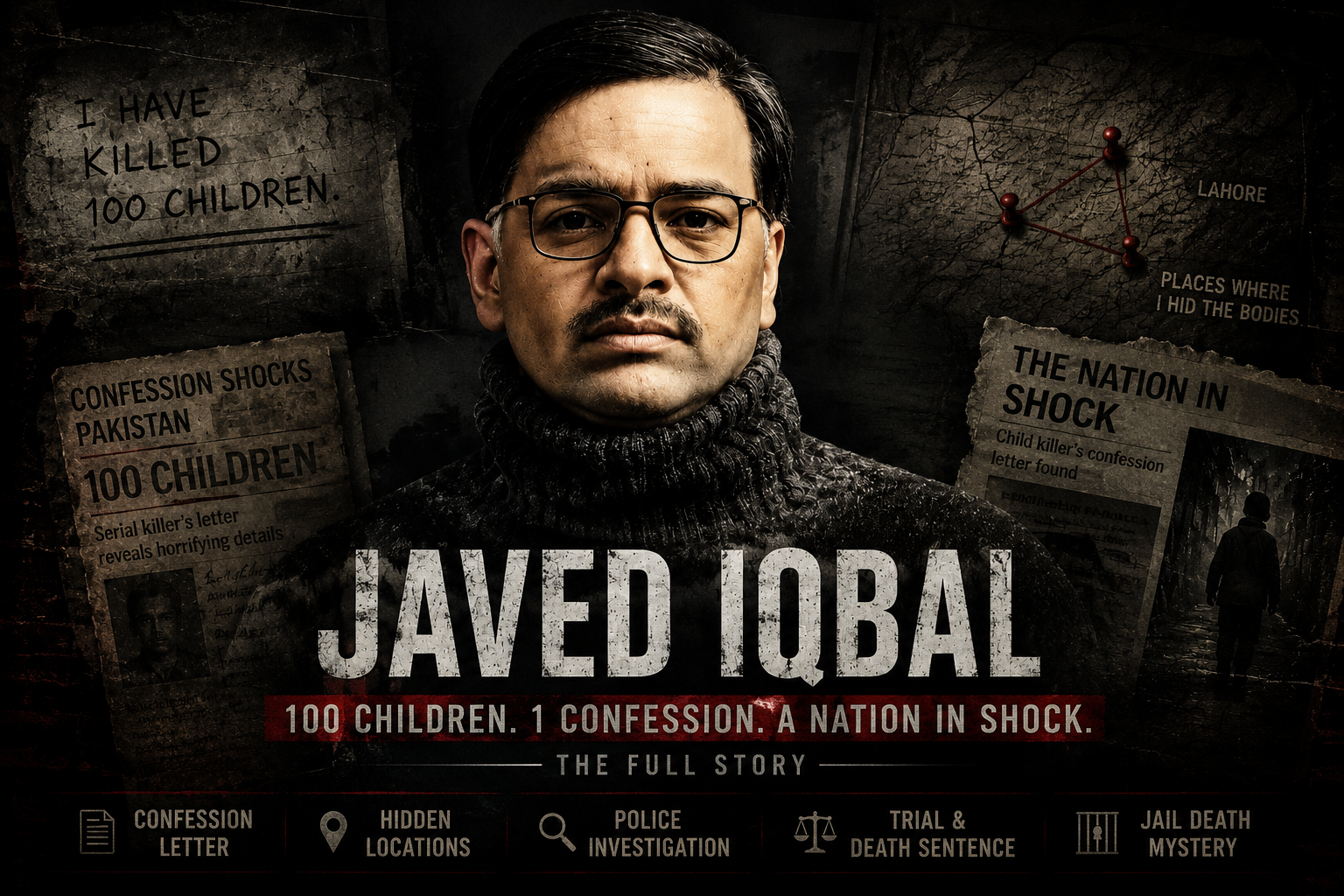
Few names in True Crime history evoke as much horror in South Asia as Javed Iqbal Mughal. In 1999, his case shook Pakistan to its core, exposing how a predator exploited poverty, neglect, and the vulnerability of street children for years before anyone noticed a pattern. This is the full, detailed story of how he was caught, what he confessed to, and what happened to him afterward.
Who Was Javed Iqbal?
Javed Iqbal was born in Lahore, Pakistan, into a relatively well-off family. By most accounts, he came from money his family owned property and businesses, which meant he never faced the financial struggles that often push people toward desperation or crime. Instead, those close to him described a man who seemed ordinary on the surface: educated, well-spoken, and able to move through society without raising suspicion.
That ordinary exterior was part of what made him so dangerous. Predators who can blend in, who don’t fit the stereotype people expect, are often the hardest to catch and Iqbal understood this. He used his apparent respectability to gain the trust of children who had nowhere else to turn.
Targeting the Most Vulnerable
Iqbal didn’t choose his victims randomly. He specifically targeted runaway boys and street children kids who had left abusive homes, who were homeless, or who had simply fallen through the cracks of a system that wasn’t built to protect them. Lahore, like many large cities, had no shortage of children living on the streets, begging, doing odd jobs, or sleeping in train stations and parks.
This is one of the most disturbing aspects of the case: Iqbal preyed on children that society had already failed once. Because these kids often had no family actively searching for them, and because police in the area weren’t prioritizing missing street children, his crimes went unnoticed for an extended period. He offered them food, shelter, and the promise of work or care basic needs that should have been provided by a functioning social safety net, but weren’t.
Over the course of roughly six years, between 1996 and 1999, Iqbal is believed to have lured, killed, and disposed of the bodies of as many as 100 children, though the exact number remains debated. He operated from a rented house in Lahore’s Shadbagh neighborhood, which later became central to the investigation.
The Confession Letter and Diary
What set this case apart from many others was the sheer audacity of how it came to light. In December 1999, Iqbal sent a letter to a local newspaper and to the police, essentially confessing to the murders himself. Alongside the letter, he left behind a detailed diary in his rented house, documenting the deaths of the children including photographs of many of the victims and notes on how and when they had been killed.
He claimed his motive was revenge against the police and society for what he described as years of harassment and humiliation, including a prior incident where he alleged he had been wrongfully detained and mistreated by local officers. Whether this was his true motive, a partial truth, or something he constructed to explain the unexplainable, has long been a subject of debate among those who studied the case.
When police raided the house, they reportedly found drums and containers used to dispose of remains, along with the personal belongings of multiple victims shoes, clothing, identification cards that helped investigators begin matching items to missing children reported by families across Lahore and surrounding areas.
Manhunt and Arrest
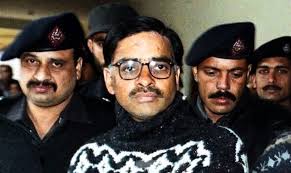
After the letter and diary became public, a massive manhunt was launched. Iqbal fled, and for a period of time, it seemed he might evade capture entirely. Media coverage of the case was intense Pakistani newspapers and television covered little else, and public outrage grew as more details emerged about the scale of what had allegedly happened.
Eventually, in a turn that surprised many, Iqbal turned himself in at the offices of a Lahore-based newspaper rather than being captured by police. Reports at the time suggested he may have feared being killed by police or an angry mob more than facing a formal trial a fear that, given the public mood at the time, wasn’t unreasonable.
He was arrested along with an associate who was alleged to have assisted him in some of the killings.
Trial and Sentencing
The trial of Javed Iqbal drew international attention, partly because of the scale of the alleged crimes and partly because of the unusual nature of his self-confession. In March 2000, a Lahore court convicted him and sentenced him to death and not in an ordinary manner. The judge ordered an unusually severe sentence: that Iqbal be strangled in front of the parents of his victims, that his body be cut into 100 pieces, and that he be doused in acid, mirroring the way he had allegedly disposed of his victims’ remains.
This sentence drew criticism from human rights organizations both within Pakistan and internationally, who argued that such punishment violated basic standards of human dignity, regardless of the severity of the crimes committed. The case became a flashpoint in broader debates about capital punishment, methods of execution, and how far a justice system should go in response to atrocities.
On appeal, the Lahore High Court later modified the sentence to a more conventional death penalty, removing the specific gruesome conditions originally ordered, though Iqbal would never actually face execution.
Death in Custody
In October 2001, before any sentence could be carried out, Javed Iqbal was found dead in his jail cell in Lahore. Officials at the time stated that he had died by suicide, found hanging in his cell along with his co-accused. However, the circumstances surrounding his death were murky from the start, and many in Pakistan and abroad questioned whether it was truly suicide or something else possibly an extrajudicial act carried out within the prison system itself.
No definitive, independently verified conclusion was ever reached publicly, and the death added another layer of unresolved mystery to a case that was already filled with disturbing unanswered questions.
The Aftermath and Lasting Impact
The Javed Iqbal case had a lasting effect on how Pakistan approached the issue of street children and child protection more broadly. It exposed massive gaps in how missing children particularly those from poor or broken families were tracked, reported, and searched for. Advocacy groups used the case to push for better child welfare systems, improved reporting mechanisms for missing minors, and greater scrutiny of informal shelters or individuals offering “help” to vulnerable kids.
It also remains a chilling reminder of how predators can exploit systemic neglect. The children Iqbal targeted weren’t randomly unlucky they were children the system had already let down once. His case forces a difficult but necessary question: how many tragedies like this one are made possible not just by the cruelty of one person, but by the silence and indifference surrounding the most vulnerable members of society?
Other Disturbing Cases Worth Knowing
If cases like this leave you wanting to understand more about how investigators piece together crimes involving missing or murdered children, The Dylan Redwine Case is another deeply unsettling story worth reading a case that, while very different in its details, is equally disturbing in how it unfolded.
True crime stories like Javed Iqbal’s aren’t easy to sit with, but they matter. They remind us of the importance of community vigilance, stronger systems for protecting at-risk children, and the value of never looking away from uncomfortable truths.